
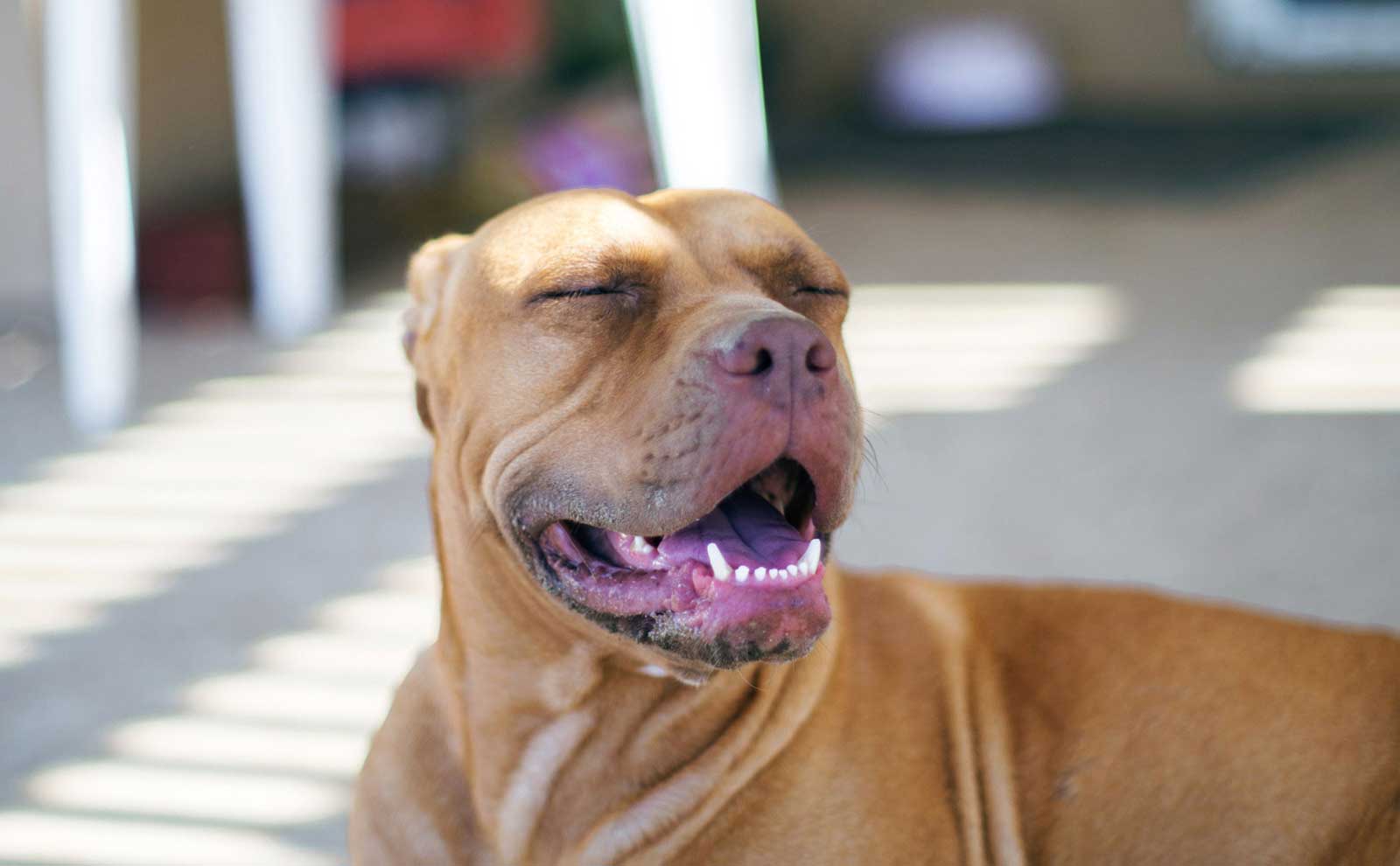
If you have decided to adopt a dog from an animal shelter or rescue GOOD FOR YOU! If you have already adopted or acquired your dog as a stray or from a friend THAT’S GREAT TOO!
Chances are, you know the approximate age of your adopted dog based on what you were told when you got him, but it is often difficult even for a veterinarian to tell the exact age of your pup. We can make an educated guess based on a few factors like teeth and fur color. You know your dog better than anyone. Learn the canine signs of aging and it will help you make more appropriate choices in the type of care you give your dog.
First let’s talk a little about aging profiles of dogs. Small dogs can live up to 16 years, medium size dogs 10 to 14 years and large dogs, like a Great Dane size, typically live 7 to 8 years. Large breed dogs stay “puppylike” for 24 months or more, compared to the usual 12 to 15 months for medium and small dogs.
Puppies: It is easier to tell how old a puppy is than an older dog based on their baby teeth:
Ridges and Unevenness on the Front Teeth: At about 1 year of age, a dog will have ridges or bumps along the tops of their 4 front incisors, top and bottom jaw. Front incisors are the teeth that your dog uses for that nibbling type of grooming. As he ages, the bumps will wear down. At 3 to 4 years of age, the ridges should be halfway worn away and at about 7 years of age, the tops of these incisors should be completely smooth.
Tartar Buildup: Tartar generally starts to form around the teeth at about 4 years of age and gets darker and thicker the older your dog gets.
Just like with people, tooth condition depends on genetics and dental care or lack of care. Tooth condition is not an exact indication of age, just a guide.
Fur: Fur color is not a great way to gauge age. Fur around the muzzle or under the chin can start turning grey as early as 2 years old. Premature greying in dogs does exist. Stress is considered a factor, and dogs that had a rougher start in life may go grey earlier. Genetics are mainly responsible for when a dog goes grey, just like in people.
If you notice greying everywhere, like on the chest and face, behind the legs, ears and on the paws, your dog may be approaching senior status.
To answer this question most accurately, we have to refer to the Aging Profile factor. A dog is considered a senior in the last 25% of their expected lifespan.
Every dog is an individual, and if you spend time with them and tune into them you can probably guess pretty accurately how old they are. If you are planning a trip to the animal shelter, you can take along these tips if age is a factor in picking out your new best pal.
The Michelson Found Animals Foundation's mission of saving pets and enriching lives is made possible by the generous contributions of Dr. Gary Michelson and Alya Michelson.


The Michelson Found Animals Foundation is part of the Michelson Philanthropies network.
© 2026 Michelson Found Animals Foundation, Inc.

.png)
.png)