
01
Now, let’s face it— unless your dog is a masochist, he’s probably not that into his collar. And when the collar comes off, pets still need to know how to get a hold of you. The only way to do that is to have them microchipped and registered.

About the size of a grain of rice, a microchip is implanted beneath your pet’s skin between the shoulders.
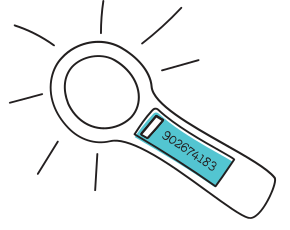
It contains a unique number used to identify animals when scanned by a shelter or vet. The number is used to find the owner’s contact information in a registry.
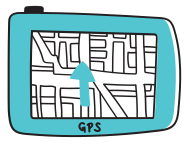
A microchip is not a GPS or tracking device. Those need to be charged. Good luck plugging your pet into a power cord every night. (Please don’t try).
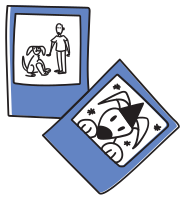
It does not store your contact information, photos, have any apps, games, or even have a flashlight function.
02
When your pet has an ID tag with your phone number on its collar, it dramatically increases the chances it’ll be returned home when lost. We know. Mind blowing, right?
03
Licensing is another important way to have your pet identified and returned to you if it’s ever lost. It’s also a visible proof of ownership—if you aren’t one of those people that looks exactly like their pet.
Fees and requirements vary by location.
Here are some other considerations:

In many areas, licensing is the law of the land.

It’s often cheaper if your pet is spayed/neutered.

Most locations require a rabies certificate for a license.



The Michelson Found Animals Foundation is part of the Michelson Philanthropies network.
© 2026 Michelson Found Animals Foundation, Inc.