Housetraining a Dog with Behavioral Problems
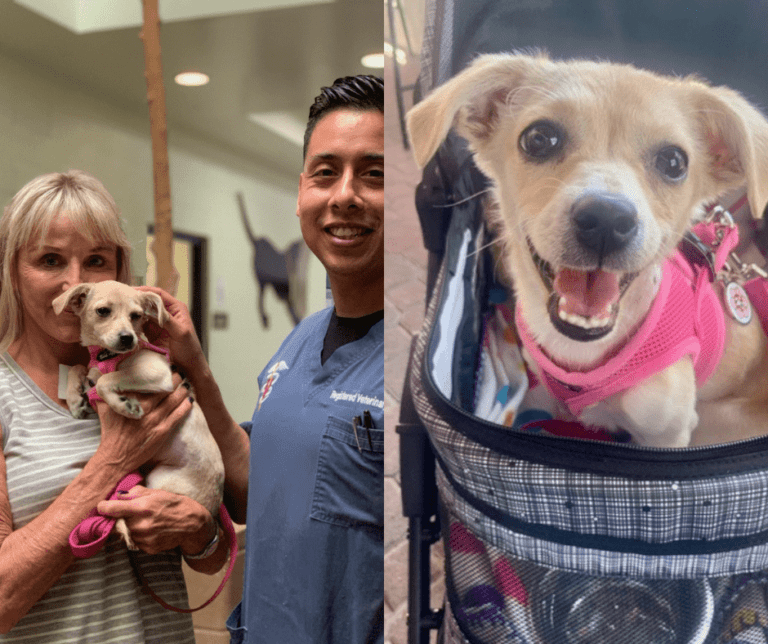
Phoenix is a two-year-old Pomeranian that I adopted after seeing an ad on a local website. He was the product of an unplanned litter and he is definitely the most loving dog I have ever encountered. He loves taking walks, hiking and playing fetch. Phoenix came into my life with a couple of behavioral problems. First, he didn’t have housetraining. Second, he had severe separation anxiety. These two problems are amongst some of the most significant reasons why owners give up their dogs.
Today, I am proud to say, Phoenix is officially housebroken. He was trained in a little over a week.
When I first brought Phoenix home, I was living in a small studio apartment, with an even smaller concrete balcony. Phoenix would lift his leg and pee on everything. He peed on my bed, my desk, the toilet, you name it. When I brought him outside to the balcony, he refused to pee.
I read some books about housebreaking and took their advice. I took him on frequent walks – if I was home from work, we were walking. On our walks, Phoenix would mark everything in sight. I thought there is absolutely no way he has any urine left inside of him. My problem was solved! However, as soon as we walked back into the apartment, he peed on the coffee table leg.
I tried every trick in the book, frequently taking him out and giving him treats and praise when he went. Immediately scolding him and saying NO when he would lift his leg indoors. None of it worked. When I moved back home with my parents, we tried a new method they had used on their dog, Butters. Phoenix now not only goes outside, but does it in a designated area, on command. Yes, he pees and poops, on command. Here’s how we did it:
The Buddy System
I know this may sound extreme, but believe me it is necessary. When Phoenix was inside the house, we kept him tethered to one of us at all times. This gives you as the owner the ability to keep an eye on your furry friend while taking care of business around the house. As time goes on, you can start to loosen the leash, so to speak, and give them less supervision.
The “Potty Spot”
Along with keeping your dog next to you inside the house, you must also designate a “potty spot.” To do this, you do not, I repeat, do not let your dog have free roam of the backyard when you are trying to get them to do their business. You must take your dog out on a leash to the place that you want to designate as their potty spot. This tells your dog that this is where he goes, and not anywhere else.
“Go Potty”
This is an important tip when housebreaking your dog. When you take your dog to the designated potty spot, say, “Go potty.” You can use whatever verbal cue you like as long as it’s consistent.
Your dog is probably going to look at you curiously. Rest assured they will soon know exactly what you mean! As you walk them around the potty spot, continue to say, “Go potty.” When your dog finally goes potty, immediately praise him in unison with the phrase, “Good potty.” This associates the action that your dog just did with the term “potty.”
Treats and Praise
With any type of training, positive reinforcement, praise and treats are important factors. Your dog begins to realize that when they “go potty,” you are happy with them, and they get something yummy. They also learn that in order to receive this treat and praise, they must go in the designated “potty spot.”
Correcting Unwanted Behavior
Lastly, you must correct unwanted behavior BEFORE it occurs. This is why the buddy system is necessary. If you see your dog starting to lift his leg somewhere besides the potty spot, immediately pick them up, take them to the potty spot, and again say, “Go potty.” A dog’s memory does not go beyond a few seconds. This is why scolding your dog after the fact is not effective. They do not connect the scolding to the action. If you interrupt them during the deed, they are able to realize that their behavior is unwanted.
Many people believe that after your dog is no longer a puppy, the housebreaking becomes more difficult. Phoenix is a great example that this notion is just not true! I’m not saying it’s easy. Housetraining takes a diligent effort from all members of the household. After a week of 100% dedication to this method, Phoenix gladly goes out his doggy door, to his potty spot, all on his own. He has not had one accident indoors. All I have to do is point to his potty spot, and he will go and do his doggy business before prancing back inside to collect his treat and praise.